Website Design & Development
  Web Application Development
  Branding & Logo Design
  Care Plans & Maintenance
 WordPress
  Laravel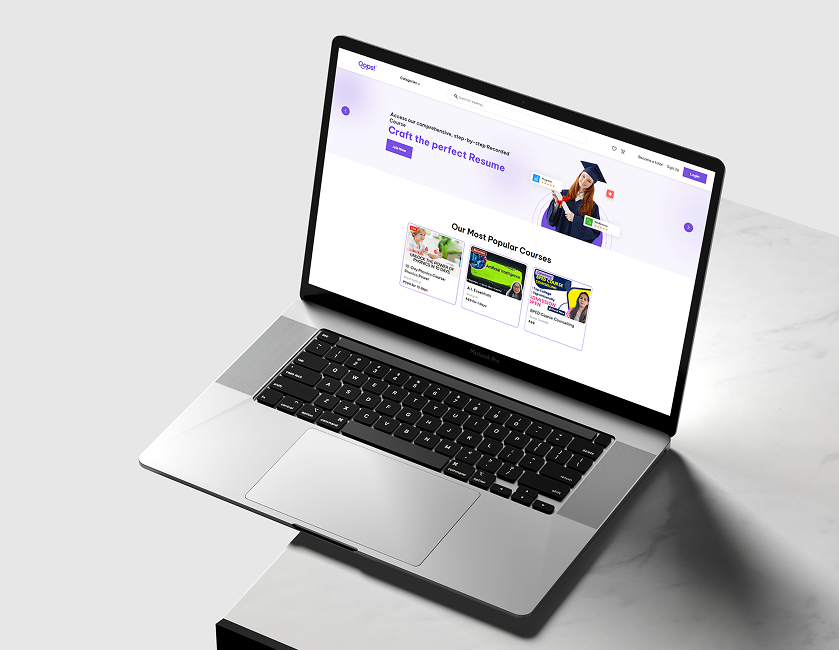
The Challenge
Before our involvement, the platform faced multiple technical and operational issues that affected reliability, scalability, and the overall user experience.
Unstable Zoom Infrastructure
The previous Zoom integration was unreliable and inconsistent, creating challenges for tutors managing live classes and webinars.
Tutors faced difficulties with:
- Scheduling live sessions
- Managing webinars
- Handling attendance workflows
- Conducting reliable online classes
- Delivering a smooth student experience
Poor Code Quality & Technical Debt
The platform lacked proper development standards and contained several structural issues, including:
- Non-standard coding practices
- Missing security implementations
- Unstructured customizations
- Legacy conflicts
- Poorly optimized database queries
- Inefficient backend workflows
Important security mechanisms such as nonce verification were missing in multiple workflows and forms.
Performance & Scalability Problems
The website suffered from:
- Slow page loading times
- Heavy backend operations
- Unoptimized WooCommerce processes
- Inefficient LMS queries
- Bloated admin operations
- Scalability issues for managing multiple tutors
As the platform expanded, operational management became increasingly difficult.
Broken User Journeys
Several key platform workflows were inconsistent or partially broken, including:
- Student enrolled course access
- Tutor publishing workflows
- Webinar management
- Reporting systems
- Approval workflows
- Mobile app APIs
- Responsive layouts
The platform lacked consistency and reliability across the ecosystem.
Our Approach
Instead of applying temporary fixes, we approached the project as a complete LMS ecosystem transformation.
Our process focused on:
- Technical audit & analysis
- Architecture restructuring
- Workflow optimization
- Security hardening
- Performance optimization
- Feature enhancement
- Scalability improvements
Platform Audit & Discovery
We began with a deep technical and functional audit of the platform.
Audit Areas Included
- LMS architecture review
- LearnPress implementation analysis
- WooCommerce workflow review
- Zoom integration evaluation
- Tutor workflows
- Student learning flows
- Security assessment
- Responsive testing
- API validation
- Reporting & payout systems
A detailed improvement roadmap was prepared outlining:
- Critical bugs
- Security vulnerabilities
- Workflow inefficiencies
- UX inconsistencies
- Performance bottlenecks
- Scalability concerns
- Required custom development
Platform Stabilization & Optimization
Codebase Refactoring
We optimized and restructured major portions of the codebase by:
- Following WordPress coding standards
- Removing inefficient logic
- Improving maintainability
- Reducing technical debt
- Enhancing scalability
Security Hardening
We strengthened platform security through:
- Proper nonce implementation
- Validation and sanitization improvements
- Secure form handling
- Role-based access controls
- Protected workflows
- Safer AJAX/API interactions
Performance Optimization
We optimized:
- LMS queries
- WooCommerce operations
- Tutor dashboards
- Admin workflows
- Database interactions
- Dynamic content loading
This resulted in a much more stable and scalable platform.
LMS Ecosystem Features
Live Courses
Tutors could:
- Create live learning programs
- Schedule sessions
- Manage batches
- Conduct Zoom classes directly through the platform
- Allow enrolled students to join through their dashboards
Recorded Courses
We improved the recorded learning experience similar to modern LMS platforms by implementing:
- Structured lessons
- Organized course progression
- Controlled student access
- Improved publishing workflows
Study Materials System
A protected content delivery system was implemented where:
- Tutors could upload PDFs and learning materials
- Students could securely access resources within the platform
- Download restrictions protected premium content
Webinar Management
Tutors could:
- Create webinar-based courses
- Schedule events
- Sell webinar access
- Conduct sessions through Zoom integrations
Consultancy Booking System
Tutors could:
- Set available consultation timings
- Offer paid consultancy sessions
- Allow students to select and book consultation slots
Custom Zoom Integration Rebuild
One of the most important improvements was rebuilding the Zoom integration from scratch.
The previous implementation was unreliable and created operational problems for tutors.
New Zoom Infrastructure Included
- Reliable meeting creation
- Webinar synchronization
- Session management
- Tutor-side controls
- Student joining workflows
- Improved API handling
- Stable session lifecycle management
This significantly improved the live learning experience across the platform.
Tutor Ecosystem Optimizatio
We optimized tutor workflows to simplify platform management and improve usability.
Tutor Improvements
- Enhanced course creation workflows
- New custom course fields
- Better course status handling
- Simplified publishing process
- Improved approval workflows
- More reliable tutor dashboard operations
The platform became easier for tutors to manage independently.
Super Admin Infrastructure
The super admin ecosystem was heavily improved for better operational scalability.
Admin Features Included
- Tutor management
- Course moderation
- Reporting improvements
- Subscription tracking
- Revenue insights
- Automated tutor payout workflows
- Course approval management
- Performance reporting
We also optimized admin forms dynamically based on course types, significantly improving backend efficiency.
IELTS Course Ecosystem Development
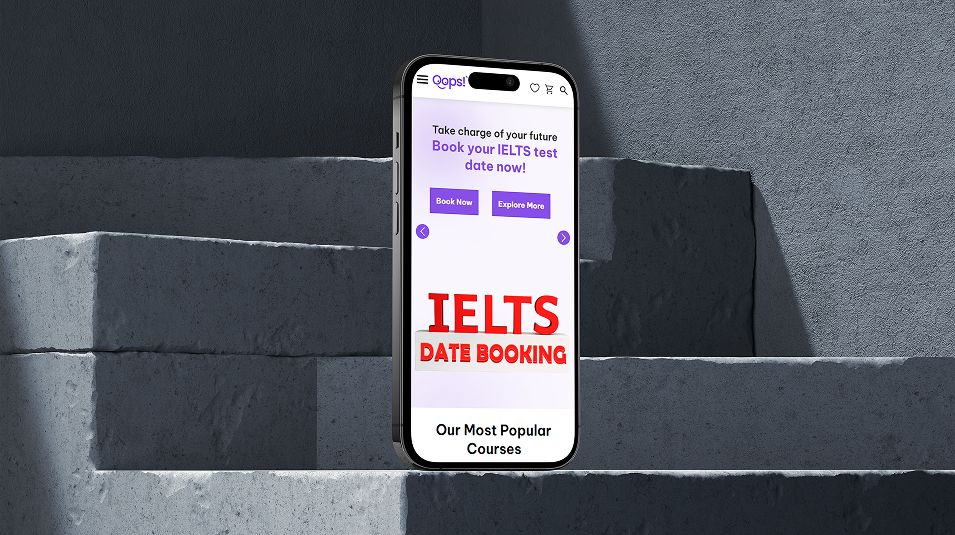
We developed a dedicated module specifically for IELTS course packages.
Scope Included
- IELTS landing page design
- Purchase flow optimization
- Student dashboard workflows
- Custom enrollment journey
- Access management
- Learning flow optimization
This experience was designed as a focused educational product ecosystem rather than a standard LMS workflow.
Mobile App API Improvements
We improved and stabilized APIs powering the mobile application.
API Work Included
- Existing API fixes
- Workflow corrections
- Response optimization
- New integrations
- Better synchronization between web and mobile systems
This improved cross-platform consistency and reliability.
UI/UX Enhancements
Beyond backend engineering, we improved multiple user experiences across the platform.
UI/UX Improvements
- Responsive fixes across devices
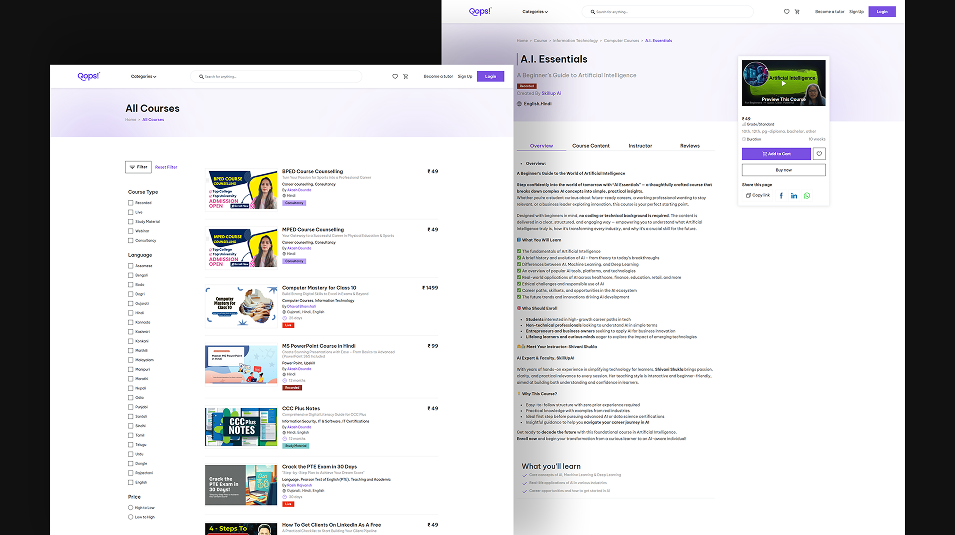
- Homepage improvements
- About page refinements
- Course detail page enhancements
- Student dashboard improvements
- IELTS course experience redesign
The goal was to create a cleaner, smoother, and more intuitive learning experience.
Key Technical Highlights
Core Platform Features
- Multi-Tutor LMS Ecosystem
- Zoom-Powered Live Learning
- Webinar Infrastructure
- Consultancy Booking System
- Protected Study Materials
- WooCommerce Integration
- Automated Tutor Workflows
- Custom Tutor Dashboard
- Course Approval System
- Multi-Role Access Management
- Mobile App API Support
Results & Impact
The project transformed the platform from a difficult-to-manage LMS into a more stable and scalable educational ecosystem.
Key Outcomes:
Improved Platform Stability
The rebuilt architecture significantly improved platform reliability.
Better Tutor Experience
Tutors could manage courses, webinars, consultations, and live sessions more efficiently.
Enhanced Student Experience
Students experienced smoother enrollment flows, better course access, and more reliable learning interactions.
Stronger Security
Security vulnerabilities and missing validation mechanisms were resolved.
Improved Scalability
The platform became better equipped to handle future growth and feature expansion.
Easier Administrative Operations
Super admins gained better visibility, reporting control, and automation across the ecosystem.
Our Contribution
Our team handled the project end-to-end, including:
- UI/UX Improvements
- Full-Stack Development
- LMS Architecture Planning
- Security Hardening
- Performance Optimization
- API Development
- Zoom Integration Engineering
- QA & Testing
- Workflow Optimization
- DevOps & Platform Stabilization
Conclusion
OopsStudy was not simply a website enhancement project — it was a complete LMS ecosystem transformation.
By combining technical architecture improvements, workflow optimization, custom LMS engineering, Zoom infrastructure rebuilding, and scalable admin/tutor/student systems, we helped create a significantly more stable and scalable educational platform.
This project demonstrates our capability in handling:
- Complex LMS systems
- Multi-role platforms
- EdTech ecosystems
- API-driven workflows
- Custom WordPress engineering
- Large-scale platform optimization
- Scalable learning infrastructure development